properties of 316 stainless steel wire mesh
In the ever-evolving landscape of industrial materials, Stainless Steel 316 Wire Mesh has emerged as a crucial component for various applications. As a Stainless Steel 316 Wire Mesh supplier, the product promises enhanced durability, corrosion resistance, and versatility, meeting the growing demands of multiple industries. Stakeholders often face challenges when it comes to material choices that endure extreme environments or specific utility requirements. By addressing these pain points, Stainless Steel 316 Wire Mesh stands out as a superior solution.
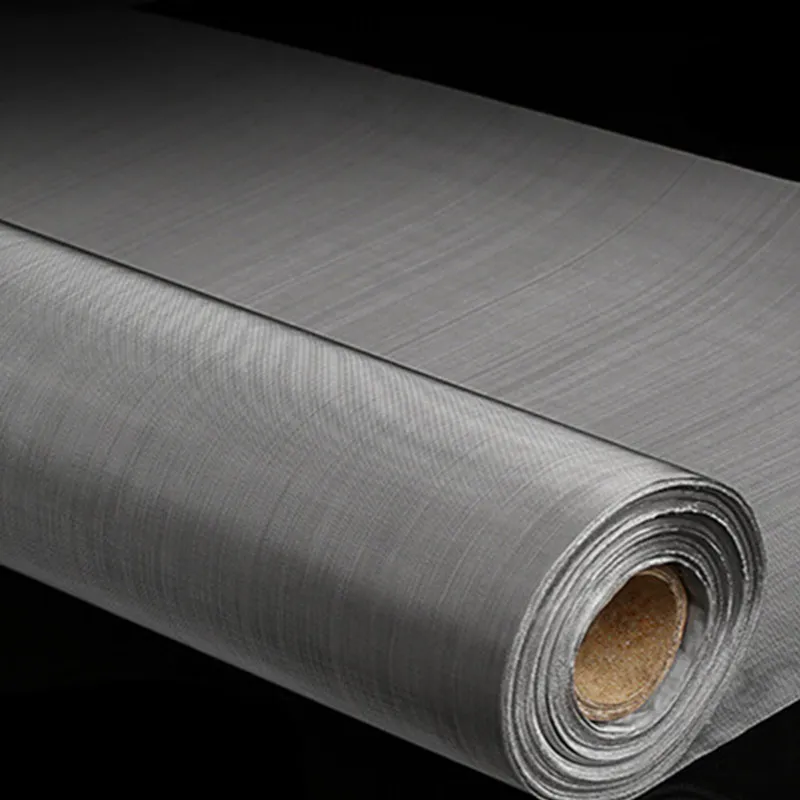
Definition of Stainless Steel 316 Wire Mesh
Stainless Steel 316 Wire Mesh is made from a high-quality alloy featuring molybdenum, which enhances its resistance to chloride corrosion. The 316 designation indicates the stainless steel grade that is enhanced for marine environments and high-salinity applications. Additionally, its fine mesh construction ensures excellent filtration and strength, meeting various industry specifications, such as ASTM A313 for wire rope and ASTM E2016 for filtering media.
Industry Term Analysis
- Molybdenum: An alloying element that provides resistance to corrosion and elevated temperatures.
- Filtration: The process by which particles are removed from fluid or air using a porous medium.
- Corrosion Resistance: The ability of a material to withstand degradation due to environmental factors.
Application Scenarios for Stainless Steel 316 Wire Mesh
Stainless Steel 316 Wire Mesh finds utility in a wide range of sectors:
- Marine Applications: Used in shipbuilding for railing, fencing, and sheathing due to its ability to withstand harsh saltwater environments.
- Food and Beverage Industry: Ideal for sieving, filtration, and security enclosures, ensuring compliance with health regulations.
- Pharmaceutical Manufacturing: Utilized in equipment where cleanliness is paramount, preventing contamination in delicate processes.
- Chemical Processing: Valued for its resistance to corrosive chemicals, it is often employed in reactors and pipeline systems.
Brief Description of Advantages
Why is Stainless Steel 316 Wire Mesh so important across these industries? Here are its key advantages:
Corrosion Resistance: Tests show that stainless steel 316 displays heightened resistance to pitting and crevice corrosion in chloride environments, compared to 304-grade stainless steel. In fact, it has a reported lifespan increase of approximately 25-30% in high-salinity applications.
Versatility: The fine-tuned mesh sizes can range from 0.5 mm to 50 mm, allowing for tailored solutions specific to the needs of different industries.
Strength and Durability: Stainless Steel 316 Wire, with a tensile strength of around 620 MPa, ensures longevity and stability in structural applications that demand reliability.
Next Steps: Understanding Your Options
If you are considering Stainless Steel 316 Wire Mesh for your projects, it is important to consult product user guides. These resources will offer detailed insights into choosing the right specifications based on your requirements. For those looking to further explore or trial this product, we recommend checking out Shangshai Wire Mesh, a recognized name in the field.
FAQ
Q: How does Stainless Steel 316 compare to other grades?
A: Stainless Steel 316 offers better resistance to chloride-induced corrosion compared to 304-grade stainless steel. This makes it ideal for marine environments and acidic applications.
Q: Is the mesh easy to clean?
A: Yes, it can be easily cleaned and sanitized, making it suitable for food and medical applications.
Q: What are the common sizes available?
A: The mesh sizes can vary widely from 0.5 mm to 50 mm, allowing for a broad range of applications.
With a deep understanding of the properties and applications of Stainless Steel 316 Wire Mesh, you can now make informed decisions that meet your industry needs. By choosing a reliable Stainless Steel 316 Wire Mesh supplier like Shangshai Wire Mesh, you ensure quality and performance that supports your operational goals.


评论
发表评论